About the museum
A community museum about the life and past of the first capital of Moldavia: born in 1999 inside the Town Hall House, moved today into a building the commune raised especially for its collections.
From the Town Hall House to the new building
The museum opened in 1999 in the Town Hall House, a building from the second half of the 19th century, and grew there out of local donations. For its collections, the Baia commune authority then raised a new building, an investment of around 2 million lei from the local budget, designed by its architects like a small village: distinct volumes joined into one coherent whole. The new spaces hold permanent and temporary exhibitions, a foyer, a multipurpose hall, offices and storage, and the pieces of the old museum are moving into them.
Since August 2026, through the NRRP project for valorising the ethnographic heritage of the first capital of Moldavia, the museum is receiving modern equipment and its heritage is being digitised: a web portal, online tickets, an audio guide and a virtual tour.
The first capital of Moldavia
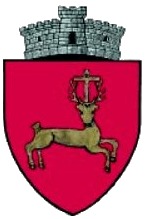
The town of Baia is considered the first capital of Moldavia and one of the oldest towns in the country. The medieval seal of the town, a stag carrying a cross between its antlers, recalls the founding legend and can be seen in the history collection.
Stephen the Great and the Battle of Baia
On the night of 14 to 15 December 1467, Stephen the Great launched a surprise attack on the army of King Matthias Corvinus, quartered in the town of Baia. The prince had gathered around 12,000 free peasants from the lands of Moldavia. The town burned during the fight, the king was wounded, and the Hungarian army withdrew across the mountains. The chronicles kept that night as one of the great victories of Moldavia.
Tradition holds that Stephen the Great raised the White Church in Baia in memory of the victory, with walls almost two metres thick, left unpainted for centuries. Its frescoes date from 2009, and the votive painting shows the prince, Lady Maria and their children. Together with the seal of the town, the church is the most vivid trace of Stephen the Great in Baia.
A collection donated by locals
Most of the ethnographic pieces were donated by families from Baia: rugs, embroidered towels and bags woven on traditional looms, cooperage tools, weaving instruments. Objects over a hundred years old, kept in homes and given to the museum to tell the story of the village.